For a business processing $1 billion in annual transactions, a 1% increase in authorization rates equals $10 million in recovered revenue – no new customers, no extra ad spend, no pricing changes. Just fewer failed payments.
The math is clear: you can put more money in the bank by optimizing your payments than by launching another acquisition campaign.
This guide condenses what we’ve learned building payment infrastructure for hundreds of digital businesses at Solidgate – covering what payment optimization includes, how to build a payment strategy, which KPIs to track, and where AI is changing the game.
TL;DR
- Payment optimization covers four areas that follow the transaction lifecycle: conversion (checkout experience, local payment methods), authorization (smart routing, local acquiring, adaptive 3DS, network tokenization), cost (least-cost routing, reconciliation, fraud reduction), and revenue recovery (smart retries, credential updates, dunning).
- Most payment teams already know what to optimize. The gap is infrastructure: single-provider dependency, inconsistent data across PSPs, and engineering bottlenecks that delay every change. A unified orchestration layer closes all three.
- AI adds the most value at specific decision points – fraud scoring before the transaction, smart retries and routing during it, and dispute automation after.
- This guide walks through each area, the blockers that stall progress, how Solidgate addresses them, and which KPIs to track.
What is payment optimization?
Payment optimization is the process of improving every step in the transaction lifecycle – from checkout through authorization, settlement, and recovery – to increase the percentage of successful payments while reducing cost and fraud.
Payment process optimization ranges from small changes like reordering payment methods at checkout or adjusting 3DS thresholds to structural upgrades like adding acquirers, setting up dynamic routing, or implementing network tokenization.
What you prioritize will depend on your business model and where you process.
Core areas of payment optimization
Payment optimization strategies map to four outcomes that follow the transaction lifecycle: earn the transaction, get it approved, pay less for it, and recover it when it fails.
Optimizing for conversion
Before a payment can succeed, a customer has to attempt it. Conversion optimization is everything that happens before the “pay” button gets pressed.
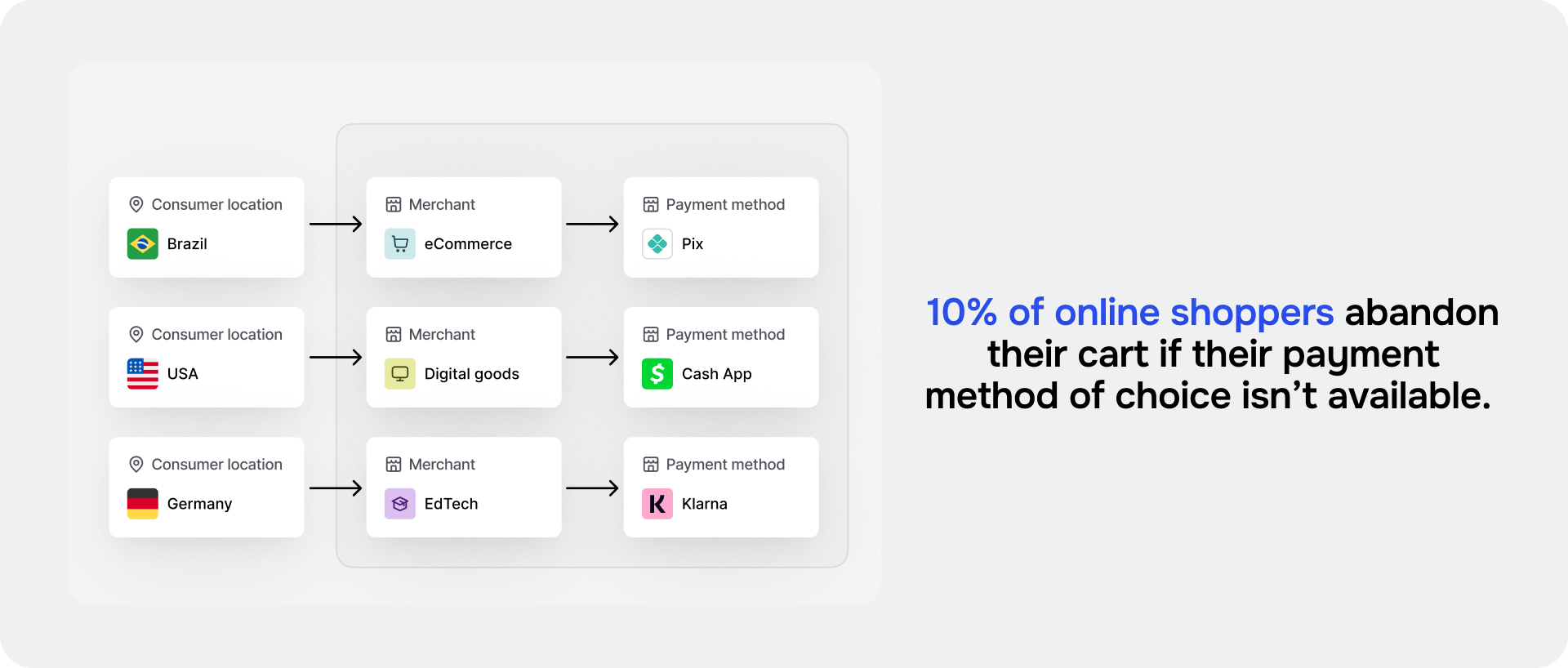
If customers’ preferred payment options aren’t available – PIX in Brazil, iDEAL in the Netherlands, BLIK in Poland, UPI in India – the transaction either fails or never starts. These are the dominant ways people pay in those markets, and offering only international card networks leaves significant conversion on the table.
Smooth checkout experience matters, too:
- Auto-adjusting language and currency
- Pre-populating fields for returning customers
- Validating card data in real time
These are small changes that add up at scale.
Optimizing for authorization
Authorization is where most revenue leaks hide. A customer wants to pay, your checkout worked, but the transaction still can fail:
- An issuing bank declines it
- A fraud filter blocks it
- Your provider has an outage
There are different tools and strategies you can use to address each problem. Key levers include:
Build redundancy: A business with millions of customers can’t rely on just one provider for an entire region. That’s why it’s important to have a backup processor you can always fall back on.
At Solidgate, for example, payment cascading – using acquirer fallbacks and dynamic routing to recover failed payments – helps drive an average 14.8% increase in acceptance.
Increase issuer trust: This requires work on a few fronts simultaneously.
Second, use network tokens and adaptive authentication. Network tokens replace raw card numbers with scheme-issued credentials that issuers trust more.
Adaptive 3DS and Strong Customer Authentication (SCA) exemptions add friction only when the risk profile warrants it. It preserves a clean experience for low-risk transactions while boosting issuer confidence on flagged ones.
Optimizing for cost
Cost optimization is always on the payments teams’ agenda, which includes optimizing the economics of each transaction, including interchange fees, processing costs, and operational overhead.
A few strategies that target cost optimization include:
- Least-cost routing: Directing payments to the provider with the lowest fees that still meets your authorization rate threshold. Over time, this logic reduces blended interchange and processing costs without sacrificing performance.
- Improving internal operations: This typically includes automated reconciliation that affects cost, though less visibly. Centralizing reporting across acquirers and payment providers cuts hours of manual work and surfaces discrepancies faster.
- Reducing fraud and chargebacks: High dispute rates carry direct costs – chargeback fees, scheme fines, and elevated processing rates from card networks. Strong fraud prevention and clear billing descriptors reduce disputes at the source, protecting both margin and your standing with acquirers.
Optimizing for revenue recovery
The recovery toolkit includes smart retries timed to issuer behavior, automatic credential updates when cards are reissued, and dunning sequences that give customers every opportunity to stay before a subscription cancels.
Key takeaway: These four areas – conversion, authorization, cost, and recovery – follow the transaction lifecycle and reinforce each other.
Why payment optimization stalls at scale
From thousands of conversations we had with payment leads, it’s clear that most payment teams don’t lack ideas for what to optimize. The biggest blocker is the lack of infrastructure to act on them. As a business scales, three structural problems tend to surface.
Single-provider dependency
Adding a second or third acquirer helps, but only if your infrastructure can actually orchestrate across them.
Inconsistent data across providers
Each payment service provider (PSP) has its own decline codes, reporting formats, and settlement timelines. Data sits in separate provider dashboards, your team reconciles manually, and decline rates come back without enough context to act on.
For most businesses, the starting point is the same: no unified view across these dimensions. The goal is baseline visibility, so you can measure what actually changes when you start to optimize payment performance.
Engineering bottlenecks
Adding a new payment method, adjusting payment flow rules, implementing network tokenization, and testing a retry strategy – each of these requires a dev cycle. For most mid-market businesses, the payment team doesn’t have dedicated developers. They compete for sprint capacity with product features, and optimization work gets deprioritized.
More and more businesses are navigating this by shifting to a modular, composable approach: a unified infrastructure layer that helps them optimize payment infrastructure from one place – connecting the rails underneath.
KPIs for payment performance optimization
The table below covers the core metrics every payment team should track and how they relate to specific actions.
| KPI | What it tells you | How to act on it |
| Authorization rate | Transaction success, segmented by provider, region, and card type | Identify decline clusters; adjust routing or retry logic |
| Payment method success rate | How each method performs across your customer base | Prioritize methods with higher approval rates in specific markets |
| Blended transaction cost | Processing cost per transaction across providers | Route transactions toward lower-cost providers that meet your auth rate threshold |
| Chargeback ratio | Dispute rate by reason code | Target fraud tooling or descriptor clarity at the root cause |
| Failed payment recovery rate | Share of declined subscription payments recovered | Review retry timing, dunning sequences, and card updater coverage |
| False positive rate | Legitimate transactions blocked by fraud filters | Recalibrate fraud thresholds if good customers are getting declined |
| Network token adoption rate | Percentage of stored credentials using VTS/MDES tokens | Push token migration for recurring payments to improve retention |
Key takeaway: Track these KPIs segmented, not blended. A 90% blended authorization rate can mask a 70% rate in your fastest-growing market – and that’s where the revenue upside lives.
How Solidgate helps you with payment optimization
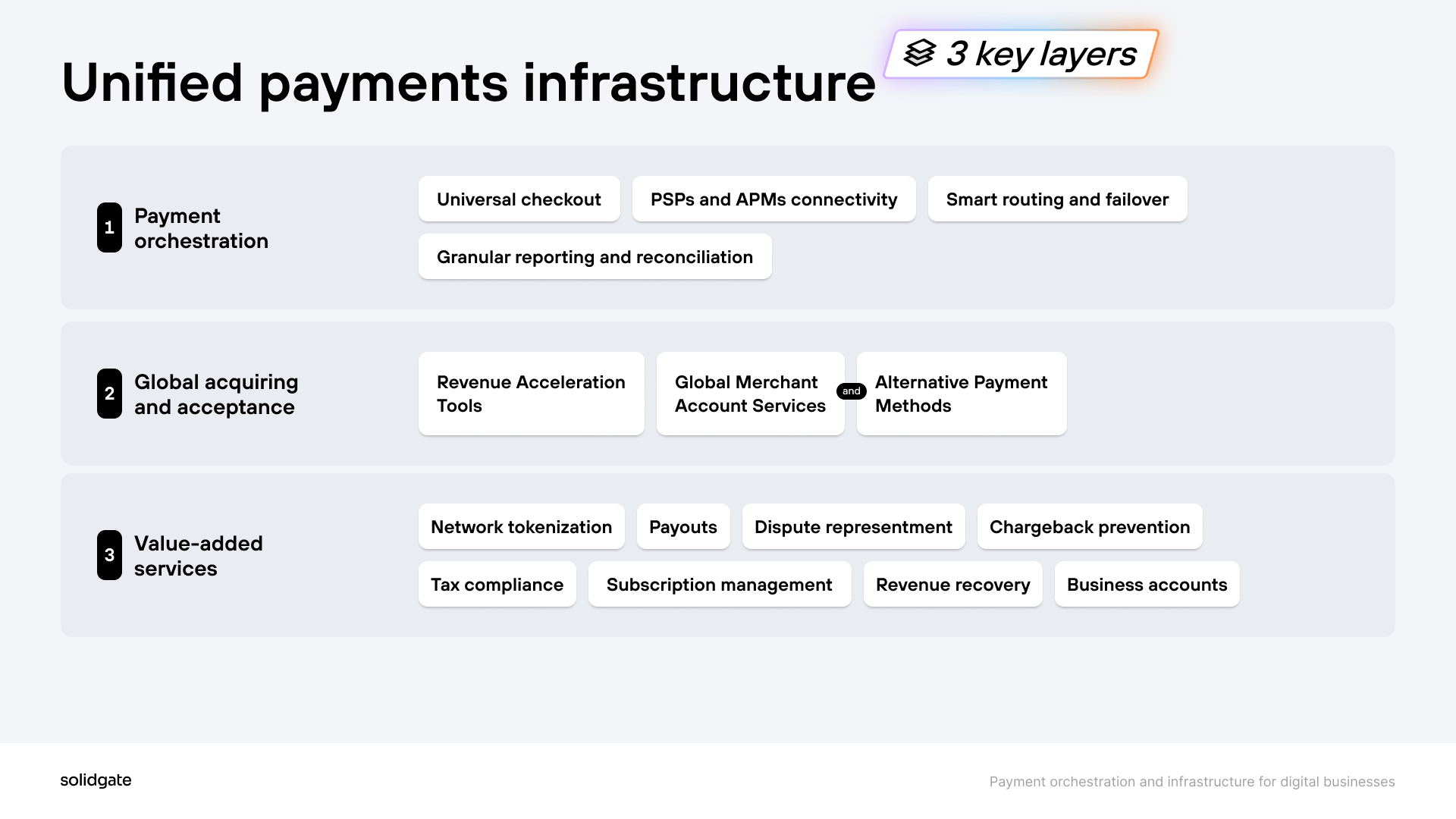
Solidgate is a global payment orchestration and infrastructure platform that gives payments leaders the tools to turn payments from a cost center into a revenue-generating lever.
We strip the payments function of its growing complexity, helping scaling businesses unlock new opportunities and optimize every aspect of payments.
Here is how teams see the fastest ROI from Solidgate.
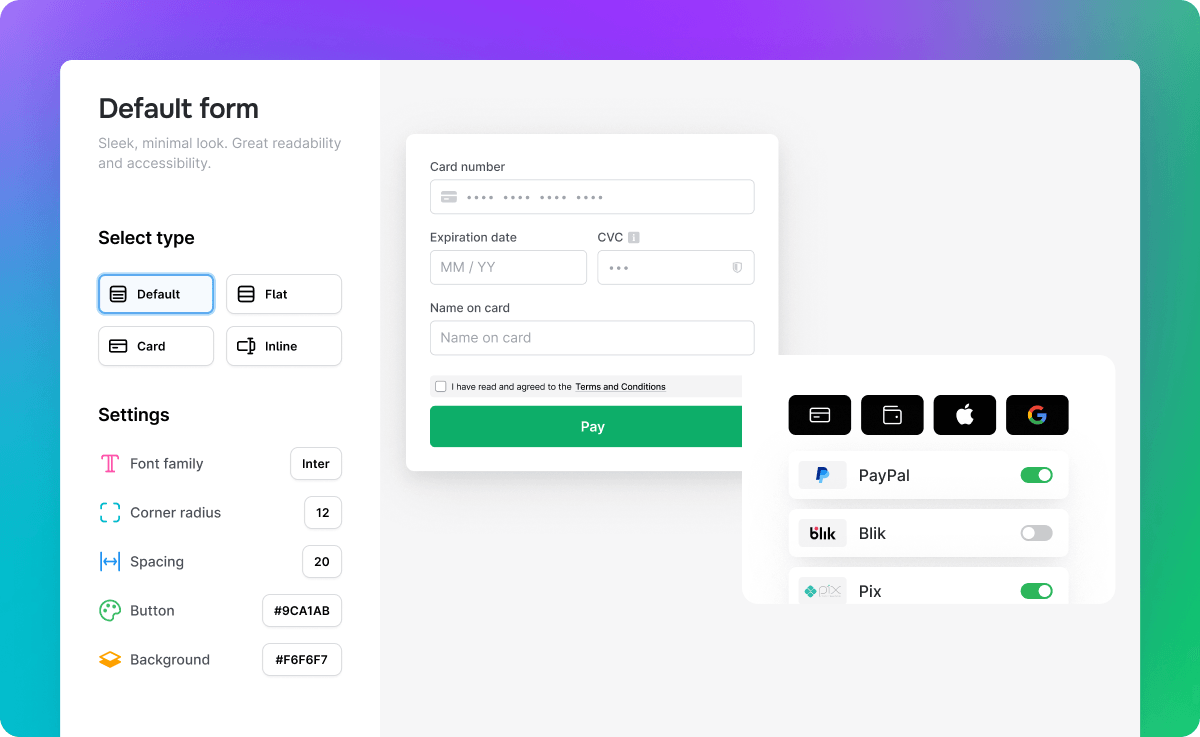
Improving conversion: localized checkout in minutes
Say you want to scale to Portugal and need to add MB WAY to your stack and test various checkout flows. The typical path without orchestration: spend months on integration and maintenance, then hit a wall with customization options on a hosted PSP page.
A shopper in Sweden sees Swish, a customer in Brazil sees PIX, and a buyer in the Netherlands sees iDEAL, without your team configuring each market manually.
Improving authorization: self-serve routing, tokenization, acquiring, and fraud prevention
This is where Solidgate does the heaviest lifting, giving you access to every tool you need:
No-code smart routing
Your payment team can configure and adjust routing rules directly in the Solidgate Hub – no developers needed. Use pre-built templates, version control, and one-click rollback to A/B test new routing logic, validate results, and scale or revert in minutes.
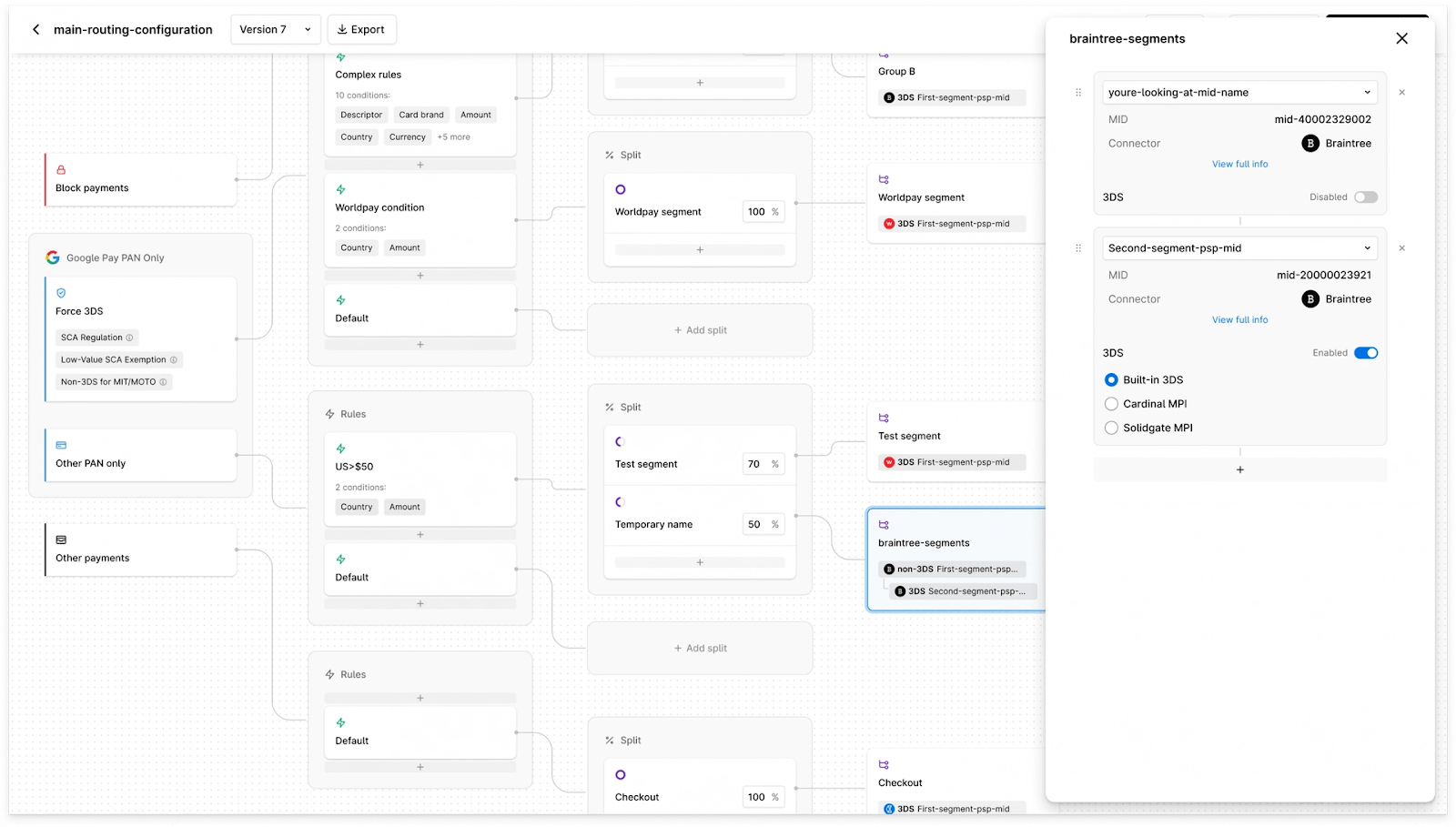
It puts routing control in the hands of the people who understand the data best: your payment and finance teams.
Card acquiring across 15+ markets
Network tokenization and token vault
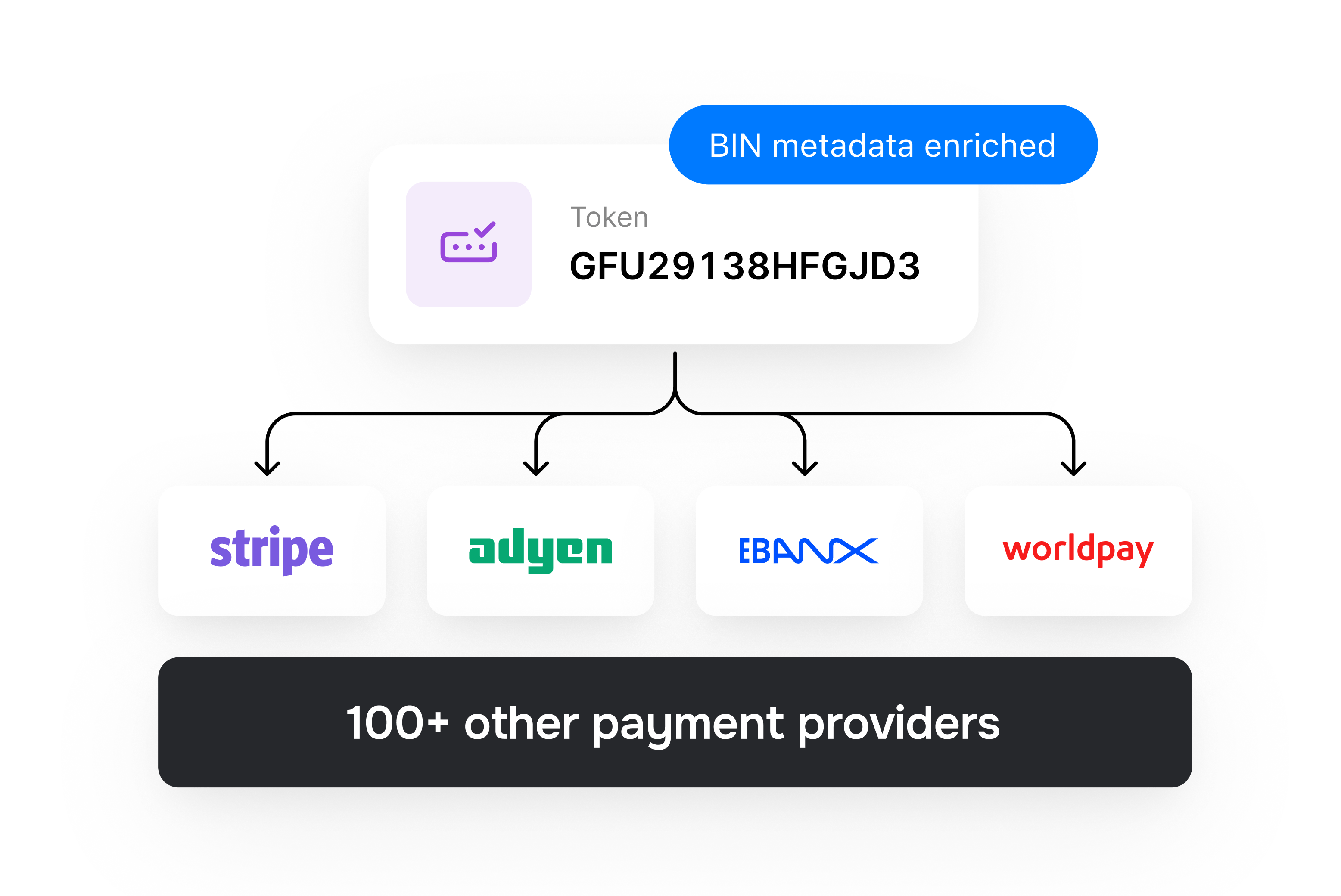
On top of the vault, network tokenization via VTS and MDES replaces raw card numbers with issuer-generated tokens that carry stronger security signals.
Issuers approve tokenized transactions at higher rates – we see an up to 4.4% boost in approval rate. Network tokens also survive card reissues automatically, delivering 7.5% higher retention for subscription businesses by keeping billing continuity intact.
Authentication strategy optimization
3DS and SCA aren’t just compliance checkboxes. Applied well, they lift authorization rates by increasing issuer confidence; applied bluntly, they kill conversion.
Solidgate gives you control over when and how authentication is triggered: force 3DS on high-risk transactions, apply SCA exemptions on low-value or low-risk payments, and use frictionless 3DS2 flows where issuer and cardholder data support it.
The routing engine handles this logic per transaction, so you’re not choosing between security and conversion, but rather calibrating the balance per corridor.
Antifraud that doesn’t over-block
Improving cost: least-cost routing and centralized reconciliation
A common scenario: you’re processing through three acquirers, but all your European volume defaults to one, because the routing was set up at launch and nobody’s revisited it.
Revenue recovery: smart retries, billing continuity, and dunning
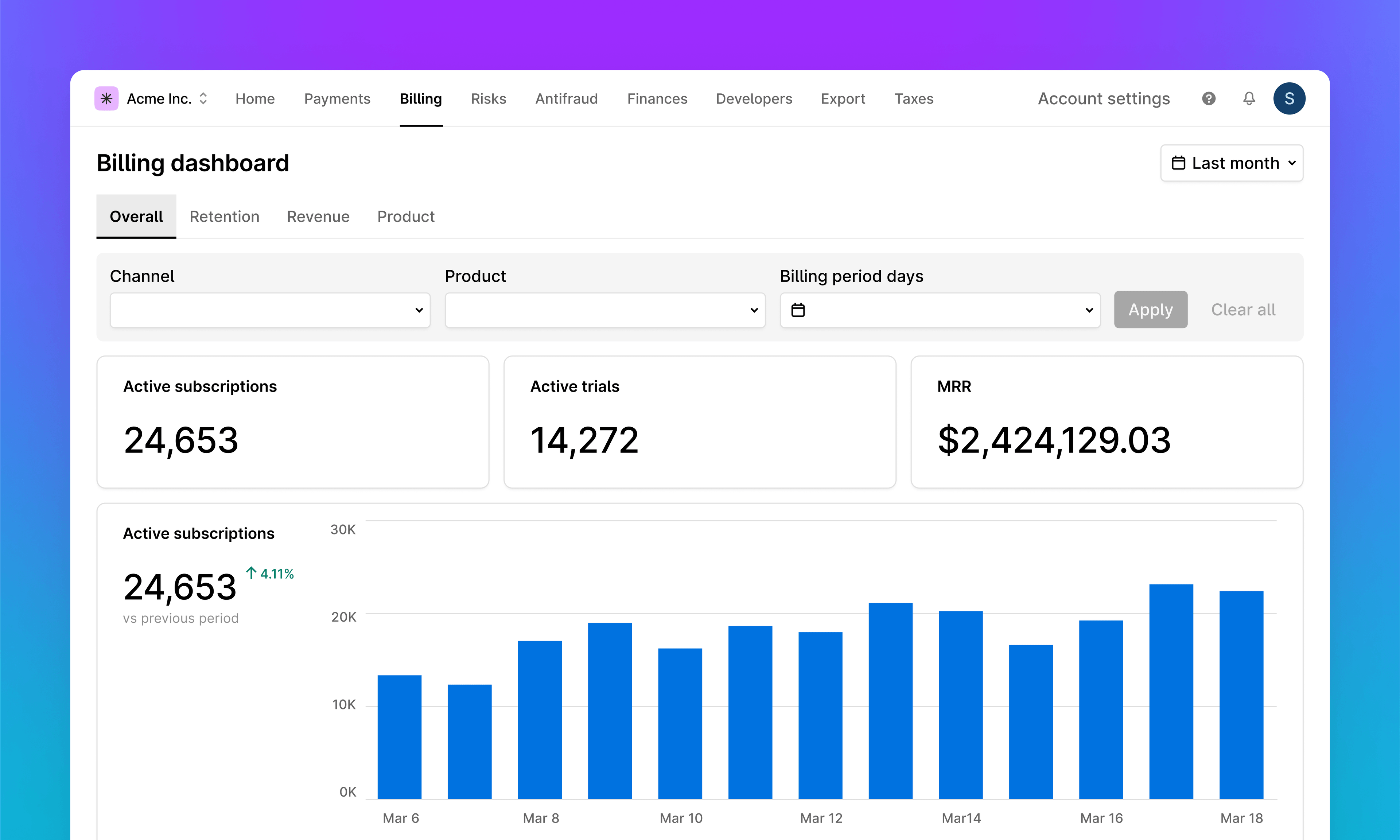
The result is fewer unnecessary cancellations and more revenue retained.
AI in payment optimization
AI in payments delivers the most value at decision points where speed and pattern recognition exceed what a human team can do. In practice, AI applies at specific points across the payment lifecycle rather than as a single monolithic system.
Before the transaction
Payment infrastructure integration: AI is now changing how businesses integrate payment infrastructure in the first place.
For example, Solidgate recently released AI Skills for Payment Integration – structured documentation and code examples optimized for LLM tools like Claude, ChatGPT, and Cursor. A developer drops a skill file into their AI coding assistant and gets a working integration in minutes instead of hours spent reading API docs.
It’s a small example of how AI reduces operational overhead beyond the transaction itself.
Fraud scoring and risk decisioning: ML models evaluate device fingerprints, behavioral patterns, velocity checks, and transaction context simultaneously. It catches fraud patterns that static rule sets miss while producing fewer false positives.
During the transaction
ML-driven routing: Some orchestration platforms are beginning to apply ML to routing decisions. It predicts which provider will deliver the highest approval probability for each transaction based on historical patterns.
Smart retries: Instead of retrying failed payments on a fixed schedule, ML identifies the best retry window based on issuer behavior, decline reason codes, and cardholder time zones.
After the transaction
Dispute representment and operational automation: AI drafts chargeback responses by assembling transaction evidence, matching it to reason codes, and generating structured representment cases. It also handles tasks like invoice and evidence translation for cross-border compliance.
These aren’t flashy use cases, but they save payment and finance teams hours of manual work per week.
Payment performance as a revenue discipline
Payment performance optimization increases captured revenue, reduces customer frustration, cuts fraud losses, and builds the infrastructure foundation your business needs to grow globally or expand into new billing models.
Most payment teams we talk to already know what they should be doing:
- Adding local acquiring and AMPs
- Optimizing 3DS and SCA
- Routing smarter
- Retrying at the right time
- Tokenizing stored credentials
The biggest gap is the infrastructure. When your data lives across four provider dashboards, your tokens are locked to a single processor, and every routing change or APM integration requires a dev ticket, the optimization work stalls regardless of how good your strategy is.
Solidgate’s payment infrastructure is built for exactly this – one platform that wires together orchestration, acquiring, fraud prevention, and subscription management so your team can focus on outcomes instead of plumbing.
Leave a Reply